
Cats&Soup : Merge Magic Recipe
NEOWIZCasual
4.71.11K Reviews
- Version
- 1.4.0
- Installs
- 1.00M
- Age Rating
- Everyone
Screenshots
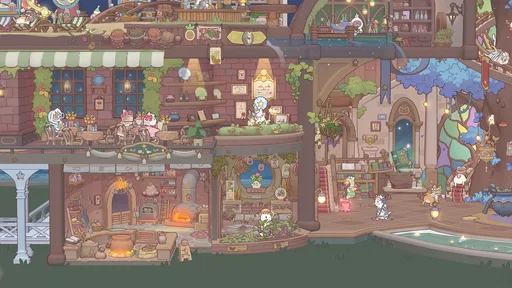



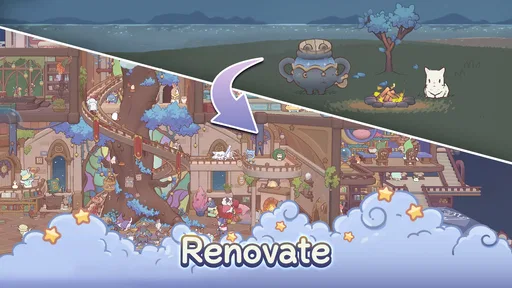

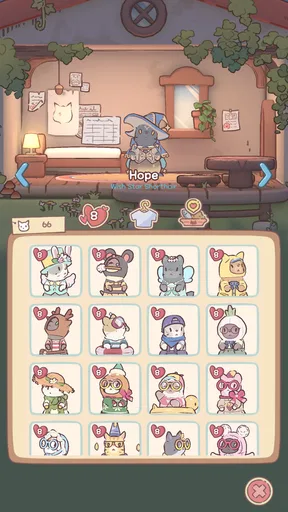

Our Review of Cats&Soup : Merge Magic Recipe
 Analysis by Appyee
I came to Cats&Soup: Merge Magic Recipe expecting a gentle time-filler, and that is exactly where it works best. It is a free casual game from NEOWIZ built around the simple pleasure of helping a cat home grow into a more inviting place. The appeal is not speed, competition, or complicated controls. I found myself opening it for a few quiet minutes, making a small amount of progress, and closing it without feeling that I had started a demanding second job.
That relaxed approach also explains its limits. If you want a deep strategy game, a long story, or a clear sense of victory after every session, this may feel too soft and repetitive. If you enjoy gradual decoration, collecting, and low-pressure decisions, it is much easier to recommend. The game is rated for Everyone, so it is approachable for a broad audience, although younger players may still need guidance around optional purchases.
What the first sessions feel like
The opening experience is deliberately easy to understand. You are not asked to memorize a large rule set before doing anything useful. Instead, the game encourages you to look at the home, make a small change, and see how that change affects the space. That gentle rhythm is a major strength because it lets the visual side of the game take the lead.
The “merge” idea gives the casual format a little more purpose than simply tapping through decorations. I began thinking about what to combine and when to spend attention on the room rather than treating every action as equally important. That is a useful distinction: the game is relaxing, but it still gives me small decisions to make. I never felt punished for taking a break, which makes it suitable for short visits during a commute, while waiting for an appointment, or before bed.
One realistic use case is a busy afternoon when I have only a few minutes between tasks. I can open the game, check the current home, make one or two tidy changes, and leave. It does not require the same uninterrupted focus as a puzzle game with a timer. On a longer evening, however, the same calm pace can begin to feel thin if I am looking for constant novelty.
The presentation is clearly aimed at comfort. Cats, small domestic spaces, and decoration create a warmer mood than the usual match-three or idle game. That difference matters when choosing what to play. A typical casual alternative may push me toward clearing boards as quickly as possible, while this game makes me care more about the atmosphere of the place I am building.
Where players are most likely to get stuck
The first point of friction is not difficult controls; it is understanding what deserves attention. A new player may see several possible actions and assume that every available option should be used immediately. I found the experience smoother when I paused to decide whether I wanted short-term progress or a more pleasing arrangement. The game becomes less confusing when I treat the room as a project instead of a checklist.
Another common stumbling block is expecting the word “merge” to mean that every item should be combined as soon as possible. That approach can make the home feel less personal. My practical advice is to look at the result before committing to a change, especially when the visual arrangement matters more to you than rapid advancement. In a decorating game, an efficient move is not always the most satisfying move.
There is also a difference between being unable to progress and simply having reached a quiet point in the game’s rhythm. Casual games often make pauses feel like problems because the player expects another obvious task. Here, a slower moment can be intentional. I would first inspect the available room and current choices, then close and return later rather than repeatedly tapping without a clear goal.
The most useful habit is to separate progress decisions from decoration decisions. I make the move that helps the home develop, then take a second look at the layout afterward. This prevents me from confusing a beautiful arrangement with a mechanically useful one, and it keeps the game from turning into a messy sequence of impulsive taps.
Setup checks before blaming the game
The game is free to install, and it supports devices running Android 7.0 or later. Before deciding that something is wrong, I would check that the device meets that basic requirement and that the installation completed normally. A game can appear to be malfunctioning when the real issue is an older operating system, an interrupted installation, or a device that is short on working storage.
My first setup routine is simple: finish the installation, open the game with a stable connection if the device is online, and allow the initial screen time to settle before repeatedly closing it. If the screen seems slow, I would close other demanding apps and restart the game once. These are ordinary checks, but they remove several sources of confusion without changing settings unnecessarily.
I would also avoid judging the game from the first few seconds after an update or fresh installation. The current version is 1.4.0, and any app can need a moment to finish preparing after a change. If the game opens but behaves strangely, restarting the device is a reasonable next step. I would not immediately uninstall, because that can create extra recovery work if local progress has not been preserved.
Notifications, sound, and display behavior are worth checking separately from gameplay. A player may think the game is unresponsive when the device is muted, the brightness is low, or another system setting is affecting the experience. Since the game relies heavily on a calm visual presentation, a dim or cluttered screen can make it feel less polished than it actually is.
Purchases deserve a quick setup conversation too. The game costs nothing to start, but optional in-app items range from $0.49 to $99.99 each. I would review the device’s purchase controls before handing it to a child, even though the content rating is Everyone. That is not a criticism of the cat theme; it is simply sensible preparation for any free game with optional spending.
Recovering a session without making the problem worse
When the game closes unexpectedly or stops responding, I prefer a gradual recovery process. First I return to the home screen and reopen it. If that fails, I restart the device. Only after those steps would I consider reinstalling, and I would do so carefully because removing an app can affect locally stored progress or settings.
I also avoid tapping repeatedly when a screen appears delayed. Repeated input can make it difficult to tell whether the game ignored an action or is processing several actions at once. Waiting briefly, then checking the room again, gives me a clearer picture. This is especially important in a merge-focused game, where an accidental extra action can change the arrangement I was trying to preserve.
If progress looks different after returning, I would first check whether I opened the same installation and whether the device completed its previous session normally. I would not assume that a missing visual change means the entire game is broken. Revisiting the home, leaving the game normally, and reopening it can sometimes clarify whether the issue is a temporary display state or a genuine loss of progress.
A useful recovery habit is to make one change at a time after reopening. I check the room, perform a single deliberate action, and then observe the result. That creates a small test instead of turning recovery into a frantic sequence. It also helps identify whether the issue affects one interaction or the whole game.
I would be cautious with unofficial fixes, modified versions, or random cleaning tools. They are not necessary for the normal experience and can introduce more risk than they remove. For a game this lightweight in concept, the safest troubleshooting path is usually the boring one: verify compatibility, restart, reduce background load, and reinstall only as a last resort.
When the app is not the cause
Some frustrations begin outside the game. A device that is nearly full may struggle with installations and updates. Aggressive battery-saving settings may interrupt background activity or make returning to the game less reliable. A weak connection can also create uncertainty during startup, even when the actual decorating experience is working correctly afterward.
Heat is another easy detail to overlook. If the phone is already warm from navigation, video, or a demanding game, any casual title may feel slower. I would let the device cool, close unnecessary apps, and try again before deciding that Cats&Soup is at fault. This is particularly relevant for players who move between several apps and expect every one of them to resume instantly.
Touchscreen problems can look like bad game controls. If taps fail in other apps too, the issue is probably the phone or screen protector rather than this particular game. Testing a few ordinary controls elsewhere is a quick way to narrow the cause without changing the game’s installation.
Account and purchase confusion should also be separated from the game’s core play. If an optional item does not appear as expected, I would check the device’s store account and purchase history rather than repeatedly trying the transaction. I would never treat a failed purchase as a reason to install an unofficial copy. Keeping the original installation is the safer choice for both progress and device security.
These checks may sound obvious, but they matter because the game’s simplicity encourages strong expectations. When a cozy title pauses or displays a delayed response, the problem feels more noticeable precisely because the player is not expecting technical complexity. A calm troubleshooting approach matches the calm design better than aggressive experimentation.
How it compares with familiar casual alternatives
Compared with a standard match-three game, this one places less emphasis on clearing a board under pressure. The reward is more connected to the feeling of shaping a home and watching its cat-centered world develop. That makes it a better choice for players who find conventional puzzle loops too frantic or too repetitive in a competitive way.
Compared with a pure decoration app, the merge structure gives me more direction. I am not only choosing where something looks nice; I am also considering how an action contributes to the next stage of the home. The trade-off is that I have less freedom than I would in a completely open-ended design tool. Players who want total control over every detail may prefer a dedicated decorating experience.
Compared with a large life-simulation game, the scope here is much easier to manage. I can understand the basic appeal quickly and return without remembering a complicated schedule. The downside is depth. Anyone looking for extensive character stories, elaborate management, or a world that constantly introduces new systems may outgrow it.
It also differs from many idle games because the cozy home is the reason I return, not merely a background for numbers increasing. That visual purpose gives the loop more personality. Still, players who dislike waiting, gradual unlocking, or repeated small tasks should know that the relaxed design will not suddenly become an action game.
Small strategies that make the loop more satisfying
My first practical tip is to choose a decorating intention before making several changes. For example, I might decide that I want the room to feel open, warm, or organized. That simple goal prevents the home from becoming a pile of individually attractive choices that do not work together.
Second, I would take screenshots only after the arrangement feels settled, not after every change. Constantly documenting progress can turn a relaxing game into a comparison exercise. I get more enjoyment by treating each session as a small redesign and accepting that the room may look different later.
Third, I recommend returning with a specific question: what can I improve with the resources or choices currently available? This is more useful than opening the game and tapping everything visible. It turns a passive check-in into a short planning session and helps reveal whether I am genuinely progressing or merely repeating familiar actions.
Fourth, separate the desire for a new item from the desire to spend money. The free entry point is enough to test whether the loop suits you. Since optional purchases can become expensive at the upper end, I would play long enough to understand the natural rhythm before considering any paid addition. A purchase should solve a clear personal preference, not impatience caused by not yet understanding the game.
Finally, I would use the game as a break rather than a default activity for every empty moment. Its charm is strongest when I approach it with a little patience. If I play for too long while waiting for dramatic changes, the repetition becomes more obvious. Short, intentional visits preserve the cozy feeling.
Who should play, and who should skip it
I think this is a strong fit for someone who enjoys cats, gentle decoration, and progress that arrives in small pieces. It also suits players who want a casual game that can be checked briefly without demanding a competitive mindset. Families may appreciate the approachable theme, but adults should still manage purchase settings when children use the device.
I would be more cautious recommending it to someone who needs a clear ending, intense challenge, or highly varied objectives. The game’s comfort comes from repetition and gradual change, so those same qualities may feel limiting to a player who wants constant surprise. It is also not my first choice for someone seeking a traditional puzzle game with tightly designed levels and immediate performance feedback.
The developer, NEOWIZ, has positioned this release in a familiar casual space, but the cat-home focus gives it a distinct emotional tone. Its average rating is 4.7 from roughly thirty-four thousand ratings, and it has passed one million installs, which suggests that the relaxed formula has found a substantial audience. I see those figures as context rather than a guarantee: the right question is whether you enjoy this particular pace.
The game was released on April 21, 2025, and the listed age rating is Everyone. Those details make it easy to place as a relatively recent, broadly accessible casual title. I would still keep expectations realistic. A friendly rating does not mean every player will enjoy the slow loop, and a recent release does not automatically make it deeper than established alternatives.
My practical verdict
After spending time with it, I see Cats&Soup: Merge Magic Recipe as a pleasant choice for quiet, low-pressure play rather than a game designed to occupy every spare hour. Its best quality is the way it combines a simple merge routine with the personal satisfaction of arranging a cat home. I can recommend it to a friend who wants something soothing and visually inviting, especially if that friend prefers small daily goals over demanding challenges.
I would install it free and test the basic rhythm before thinking about optional spending. I would also complete the compatibility and device checks first, particularly on an older phone or a device with limited free space. If a session misbehaves, I would restart carefully and protect progress before reinstalling. Those small precautions remove most avoidable frustration.
The honest trade-off is that the same gentle design can become repetitive, and the home-focused loop will not replace a full simulation or a serious puzzle game. For me, that is acceptable because I do not open it expecting either. I open it when I want a soft reset, a few thoughtful choices, and a little time with a growing cat-filled space. In that role, it does its job well.
Verdict
Strengths of Cats&Soup : Merge Magic Recipe
- Relaxing gameplay with charming cat animations and a cozy visual style.
- Simple merge mechanics make it easy to learn and play casually.
- Recipes and upgrades provide steady goals beyond basic merging.
- Works well for short play sessions during commutes or breaks.
- The cute soundtrack and sound effects enhance the calming atmosphere.
Limitations of Cats&Soup : Merge Magic Recipe
- Progress can feel slow without watching ads or spending premium currency.
- Repeated merging may become monotonous after extended play sessions.
- Some rewards and bonuses are tied to frequent ad viewing.
- Limited strategic depth may disappoint players seeking complex puzzles.
- Device performance and battery use may suffer during longer sessions.
Other Releases by NEOWIZ
View All
Cats&Soup: Relaxing Cozy Games
Simulation4.6

BrownDust2 - Full Burst RPG
Role Playing3.7
Similar Picks in This Category
View All
My Talking Angela
Outfit7 Limited4.2

My Talking Tom
Outfit7 Limited4.3

Pou
Zakeh4.2

My Talking Tom 2: Pet Game
Outfit7 Limited4.3

Candy Crush Saga
King4.6

Bridge Race
Supersonic Studios LTD4.1
Frequently Asked Questions
What is Cats&Soup: Merge Magic Recipe?
Cats&Soup: Merge Magic Recipe is a relaxing mobile game that combines adorable cats, cooking activities, and merge-style progression. You collect and manage charming feline characters, prepare recipes, and combine matching items to unlock new ingredients, dishes, and upgrades. The game is designed for casual play, with a gentle pace, cute animations, and simple controls that make it accessible even if you have never played a merge game before.
How does the gameplay work?
The main gameplay loop involves producing or collecting cooking-related items, merging matching objects to create improved versions, and using your results to expand the cat-themed kitchen or unlock additional content. Progress generally comes from completing tasks, preparing recipes, and upgrading facilities. The controls are straightforward, so most actions can be performed with taps and occasional dragging, making it suitable for short sessions or longer relaxed play.
Can Cats&Soup: Merge Magic Recipe be played offline?
Some parts of Cats&Soup: Merge Magic Recipe may remain available without a constant internet connection, especially basic gameplay and previously loaded content. However, online access can be required for advertisements, cloud-related features, events, updates, purchases, or certain rewards. Availability may also depend on the version installed and the device platform. It is best to open the game online at least once after installation and check which features work offline.
Is Cats&Soup: Merge Magic Recipe free to download and play?
The game can generally be downloaded and started for free, allowing players to experience its core mechanics without paying upfront. Like many casual mobile games, it may include optional in-app purchases for currencies, boosts, cosmetic content, or faster progress. Advertisements may also appear during play, sometimes with optional rewarded ads. You can usually progress without spending money, although patience may be needed for timers and resource limits.
Is the game suitable for children and casual players?
Cats&Soup: Merge Magic Recipe is primarily aimed at players who enjoy cute visuals, light management, and low-pressure puzzle mechanics. Its simple interface and non-violent presentation make it approachable for many younger and casual players. Nevertheless, parents should review the store rating, advertising, privacy information, and in-app purchase settings before allowing children to play, since the exact content and purchase options can vary by region and device.
Play our best games!


